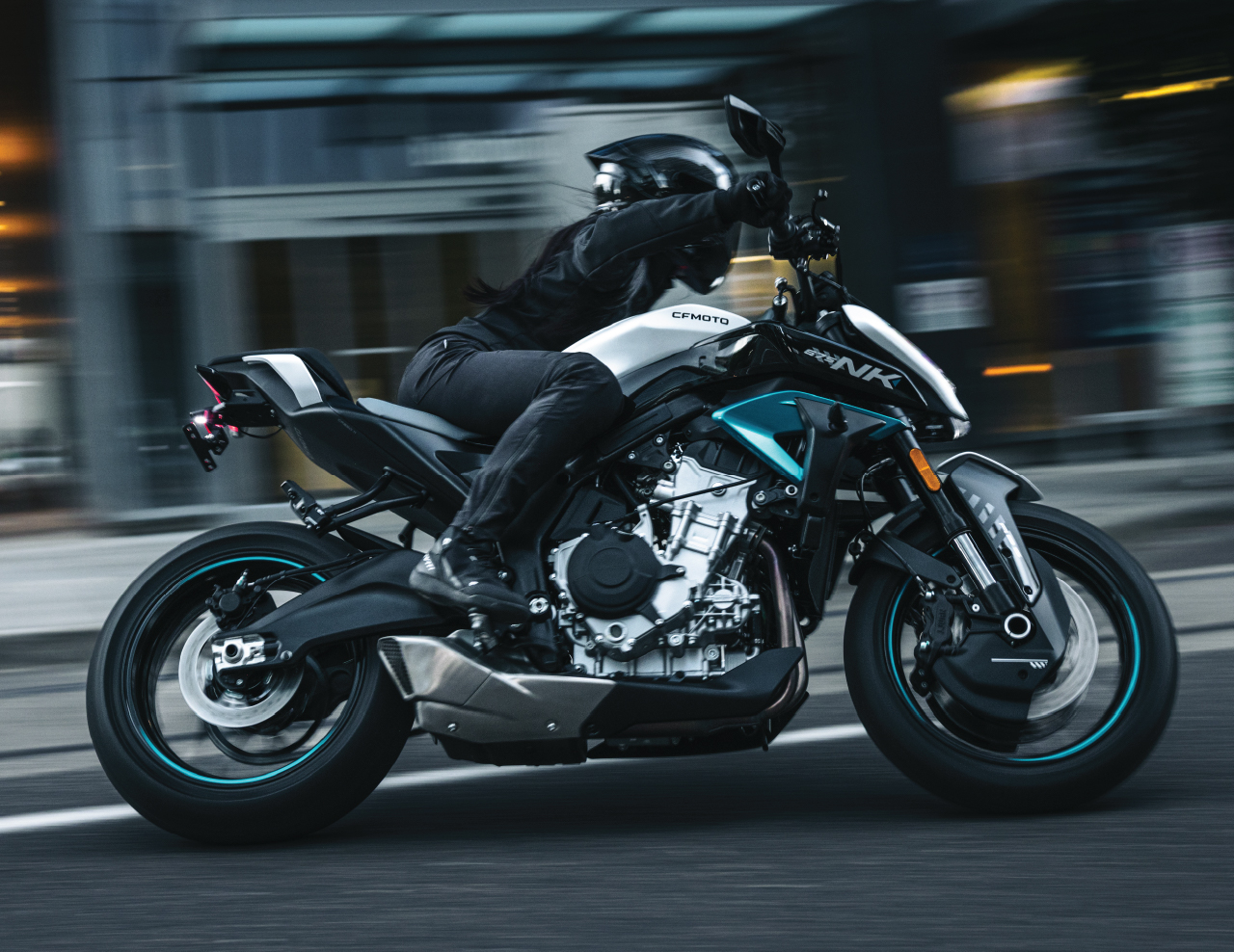
After a difficult 2025 — marked by trade tensions with the United States and a sharp slowdown in consumer spending — the Canadian motorcycle industry is rebounding in 2026. Q1 figures confirm a trend that few analysts dared to predict so quickly: sales are climbing again, electric motorcycles are establishing themselves as a key segment, and Asian manufacturers — led by China and India — are putting their pieces in place on the Canadian market for the long haul.
A measurable comeback: +7.2% in Q1
According to the latest data compiled by MotorcyclesData, the Canadian two-wheeler market recorded 11,717 registrations during the first three months of 2026, up 7.2% compared to the same period in 2025. That is a much-needed breath of fresh air for an industry that had been weighed down by cautious consumers and a U.S. tariff policy that disrupted the entire North American supply chain.
Analysts are calling 2026 a “consolidation year” at the global level, but Canada stands out precisely because it is bouncing back faster than expected. Several factors are converging: a slightly stronger Canadian dollar that makes imported bikes a bit cheaper, dealer inventories finally rebuilt after two seasons of shortages, and — above all — renewed appetite for motorcycles as an alternative to high fuel prices and urban traffic.
Honda and Yamaha keep the crown — but face new challengers
The Honda-Yamaha duo still controls more than 40% of the Canadian market on its own, with Honda alone weighing in at around 22% of units sold. That dominance rests on a coast-to-coast dealer network, proven models (Honda Rebel, Yamaha MT-07, etc.) and a reputation for reliability few brands can match.
That said, the landscape is shifting. Premium European manufacturers (BMW, Ducati, Triumph) are holding their share thanks to well-positioned upmarket models. And — most importantly — new Asian entrants, led by CFMOTO, are now carving out significant share in the mid-displacement segment, where buyers want the right balance of price, equipment and performance.
China’s offensive: CFMOTO makes its move with the 675NK
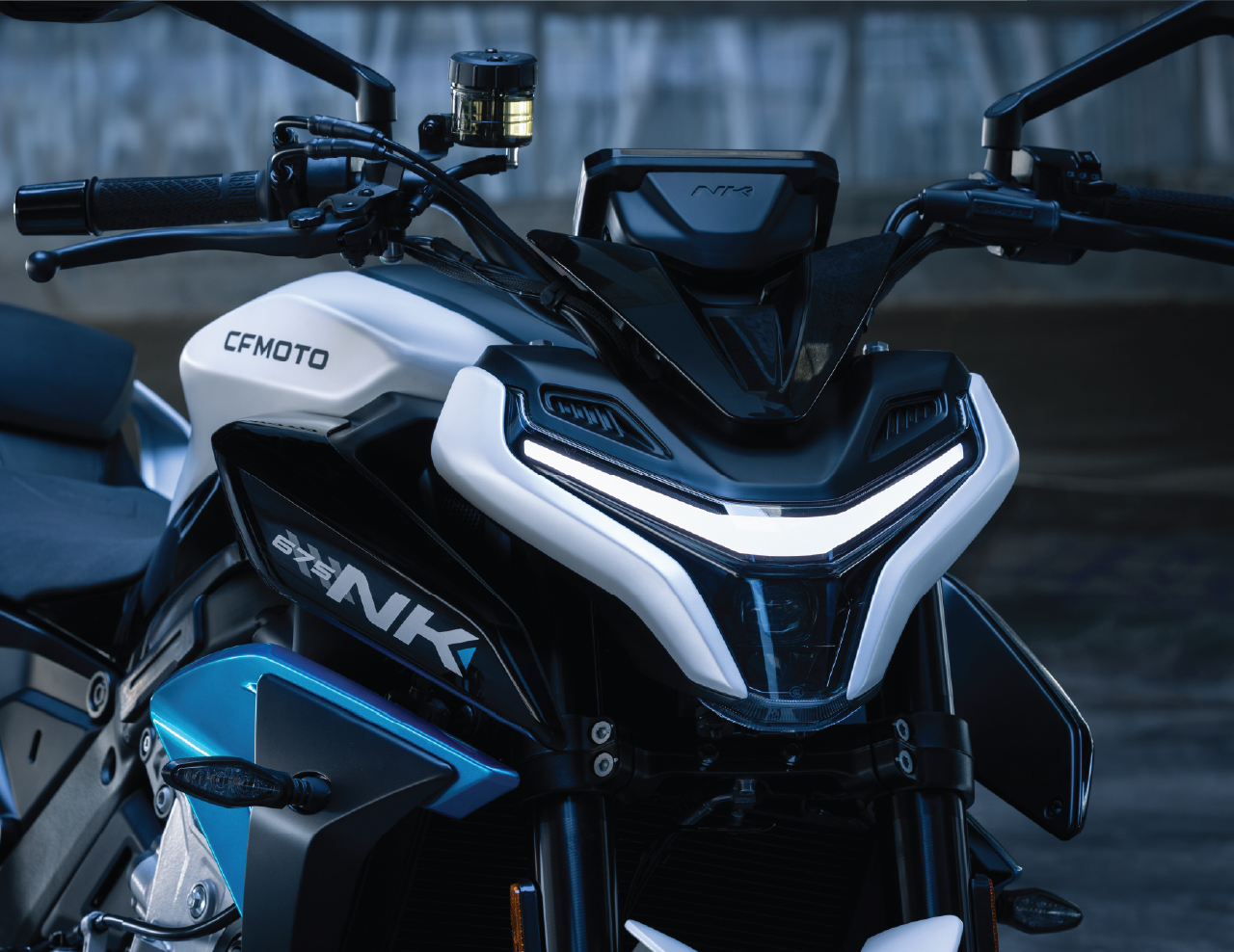
The most striking event of the season is undoubtedly the arrival at Canadian dealerships of the 2026 CFMOTO 675NK, a mid-displacement triple-cylinder roadster priced at $8,799 base MSRP — for an all-in price around $9,449 once freight and prep are included.
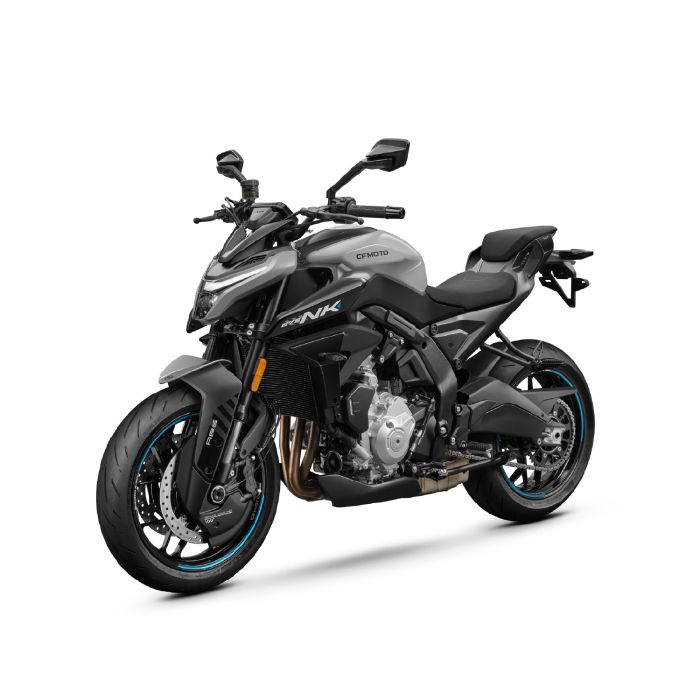
Powered by a 675 cc inline-three producing roughly 95 horsepower at 11,000 rpm and 70 N·m (52 lb-ft) of torque at 8,250 rpm, the 675NK is a direct hit on territory long held by the Yamaha MT-07 and Suzuki SV650 — but with a far more modern technology package: full-colour TFT display, two-way quickshifter, ABS and traction control as standard. All wrapped in a chassis that tips the scales at just 189 kg.
For CFMOTO — long perceived in Canada as a maker of ATVs and entry-level motorcycles — this is a major step up. The Chinese manufacturer is now openly stating its ambition: to compete head-on with the Japanese brands on their own turf, with competitive products and a price that is hard to beat. Available in Tundra Grey and Glacier White, the 675NK is already in stock at several Quebec and Ontario dealers, a clear sign that the network is expanding fast.
“Made in India” is preparing its own landing
Alongside the Chinese, Indian manufacturers are watching the Canadian market closely. Royal Enfield, already present with its Classic 350 and Himalayan, is gaining ground every year in the entry-level retro and adventure segments. But it is the larger plays that are drawing attention: according to several industry reports, giants such as Bajaj and Hero MotoCorp are evaluating local North American operations, which could eventually include Canada as a beachhead.
For Canadian consumers, this diversification is broadly good news: more choice, downward pressure on prices in the 300–700 cc segment, and faster innovation. For established dealers, competition is intensifying and forcing a rethink of the sales pitch: Japanese reliability remains a strong asset, but the equipment-to-price ratio has become a much tougher battlefield than it was five years ago.
Electric segment in full acceleration: +25.8%
The other big story of 2026 is the confirmation that electric motorcycles are no longer a fringe phenomenon in Canada. The segment grew 25.8% at the start of the year, on top of a notable 19.1% rise the previous year. That momentum is being driven by several factors: a broader product offering (urban bikes, utility scooters, the first electric sport models), gradually falling purchase prices, and several provincial or municipal incentives aimed at electrifying two-wheelers.
In absolute volume, the segment remains modest compared to gas engines. But its sustained year-over-year growth is establishing the idea that a meaningful share of new urban riders — particularly in Montreal, Toronto and Vancouver — will enter motorcycling through the electric door. For traditional manufacturers, the signal is clear: they will need to flesh out their electric line-ups quickly, or risk ceding the segment to newcomers.
What this means for Canadian riders
Concretely, what does all this change for you, if you are planning to buy a motorcycle in 2026?
First, delivery times are getting better. Dealers are receiving their orders faster, and end-of-season promotions should be more generous than they were in 2024 or 2025. Second, the heightened competition is pushing brands to better equip their bikes without inflating prices: ABS, ride modes, connected displays and even quickshifters are now showing up on models priced under $10,000. Finally, the used market should stabilize after two years of overheated prices.
On the safety side, more powerful bikes at accessible prices come with greater responsibility. A 95-horsepower CFMOTO 675NK is not a learner bike: make sure to take recognized rider training (provincial motorcycle school in Quebec, equivalent programs elsewhere in Canada), wear full gear — approved helmet, gloves, jacket, pants, boots — and respect the highway safety code of your province to the letter. The ATGATT rule (“All The Gear, All The Time”) is not optional, especially when you are still learning to handle a displacement you have not mastered yet.
A season worth watching
2026 is shaping up as a pivotal year for motorcycling in Canada: a return to growth, a rising electric tide, repositioning by Asian brands, and strategic adjustments by the historic leaders. If the spring weather cooperates and Q2 sales confirm the Q1 dynamic, the sector could close out 2026 with significant progress — and reshape the face of the Canadian two-wheeler market for years to come.
To follow the next chapters of this transformation, stay tuned to Magazine Moto: we will be breaking down the quarterly numbers, road-testing the major new models and covering manufacturer announcements as the season unfolds.
FAQ — The Canadian motorcycle market in 2026
How did the Canadian motorcycle market perform in Q1 2026?
The Canadian market recorded 11,717 units sold in Q1 2026, up 7.2% compared to the same period in 2025, according to data compiled by MotorcyclesData.
Which brands dominate the Canadian motorcycle market in 2026?
Honda and Yamaha together control more than 40% of the Canadian market. Honda alone accounts for roughly 22% of unit sales, making it the undisputed leader.
How much does the new 2026 CFMOTO 675NK cost in Canada?
The 2026 CFMOTO 675NK starts at $8,799 MSRP, for an all-in price around $9,449 (freight and prep extra). It is available at CFMOTO dealers across Canada in Tundra Grey and Glacier White.
Is the electric motorcycle market really growing in Canada?
Yes. The electric segment grew 25.8% at the start of 2026, after a 19.1% increase the previous year. Although still modest in absolute volume, it is one of the fastest-growing segments of the Canadian market.
Do you need specific training to ride a motorcycle like the CFMOTO 675NK?
In Canada, a motorcycle licence is mandatory and issued by each province. For a 95-horsepower bike like the 675NK, recognized rider training and full protective gear (ATGATT) are strongly recommended, especially for beginners.